
While hamsters can’t express complex emotions like cats or dogs, they do show dependence and trust toward their owners through behaviors developed over long-term interaction and careful care—this bond can be seen as a form of "affection." Below is a detailed breakdown:
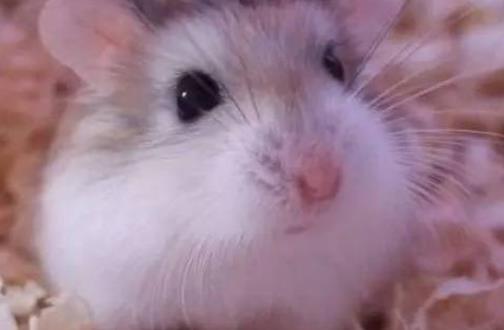
I. Typical Behaviors Hamsters Use to Show "Affection"
Active Closeness and Interaction
Once familiar with your scent and voice, your hamster may crawl into your palm, wait by the cage for feeding, or nudge your fingers with its nose (like a "greeting").
Allowing you to pet its back or head (some sensitive hamsters only tolerate specific areas) or even falling asleep in your hand means it sees you as a source of safety.
Relaxed Body Signals
Lying on its back exposing the belly: A hamster’s belly is a vulnerable area—rolling over to show it means complete relaxation and trust.
Ears perked up and tail relaxed: Indicates comfort, not alertness or stress.
Slow blinking: Similar to a "cat’s slow blink," it’s a signal of trust.
"Sharing" Food
Hamsters have an instinct to hoard food. If yours actively carries food to your hand or nearby, it may be a form of "sharing" or a friendly gesture.
Conditioned Responses
With training, hamsters can form conditioned responses to specific sounds (like the rustle of a treat bag) or their name, approaching you voluntarily. This shows they associate you with positive experiences.
II. Key Factors Influencing Hamsters’ "Affection"
Individual Personality Differences
Breed impact: Campbells/Russian Dwarf hamsters are generally gentler than Syrian hamsters; males may be more social than females.
Past experiences: Hamsters that were abused or frequently rehomed may take longer to build trust—some may remain cautious forever.
Care and Interaction
Interaction frequency: Spending 10–15 minutes daily interacting (e.g., feeding, gentle petting) accelerates bonding. Sudden neglect can make them withdraw.
Environmental comfort: Provide a spacious cage, clean bedding, appropriate temperature (20–28°C), and hiding spots to reduce stress.
Diet management: Feed healthy food regularly (e.g., specialized hamster mix, small amounts of fresh fruits/veggies). Avoid sudden diet changes, as anxiety may make them resist interaction.
Respecting Boundaries
Hamsters are solitary animals. Forcing them to be held or disturbing them excessively can trigger resistance (e.g., biting, struggling).
Be patient during interactions—let the hamster approach you voluntarily. Avoid sudden hand movements or loud noises, which may make it associate you with "danger."
III. How to Tell If Your Hamster Trusts You
Active exploration: Sniffing your fingers curiously or even licking (not biting) them.
Relaxed posture: Moving freely, grooming itself around you instead of huddling or running frantically on the wheel.
Tolerating touch: Allowing gentle pets on the back or head without immediately fleeing or biting.
Responding to cues: Peeking out from hiding spots or approaching the cage when hearing the treat bag or your call.
IV. Practical Tips for Bonding with Your Hamster
Start with a Young Hamster
Baby hamsters (4–8 weeks old) adapt to new environments more easily and form closer bonds with owners.
Use Treats to Build Positive Associations
Guide interaction with favorite foods (e.g., sunflower seeds, mealworms) but control portions (no more than 5 seeds daily to avoid obesity).
Place treats in your palm to let the hamster crawl up to eat, increasing closeness.
Gradual Contact
First step: Stick your hand in the cage and stay still, letting the hamster sniff freely (continue for 3–5 days).
Second step: Gently touch its back—if it doesn’t resist, try petting.
Third step: Once fully relaxed, attempt lifting it (use a towel or cloth to prevent slipping).
Enrich the Environment
Add tunnels, exercise wheels, swings, and other toys to reduce boredom-related anxiety. This also creates more interaction opportunities (e.g., rewarding it with a treat after guiding it to use the wheel).
Avoid Punishment
Hamsters don’t understand punishment. If it bites or runs away, handle it calmly (e.g., wrap it in a towel and return it to the cage) instead of yelling or confining it forcefully.
V. Scientific Perspective
A hamster’s "affection" is more based on survival needs and conditioning than human-like emotions. Their small brain capacity prevents complex emotional cognition (e.g., guilt, gratitude), but the dependence and trust formed through long-term care still constitute a positive pet-owner relationship. For example:
Hamsters develop dependence on familiar scents and feeding routines.
Treat rewards during interactions strengthen positive associations with their owner.
A safe environment and consistent care help them let their guard down.
If you want stronger emotional feedback (e.g., actively seeking pets, responding to their name), more social pets like cats or dogs may be better choices. However, hamsters’ unique charm lies in their cuteness, low maintenance costs, and the companionship they bring in limited spaces.