
Hamsters can indeed get diarrhea, a common symptom among pet hamsters. It is usually caused by factors like diet, environment, or illness. If diarrhea is not treated promptly, it may lead to dehydration, weight loss, or even death—so it requires attention and timely intervention. Below is a detailed analysis:
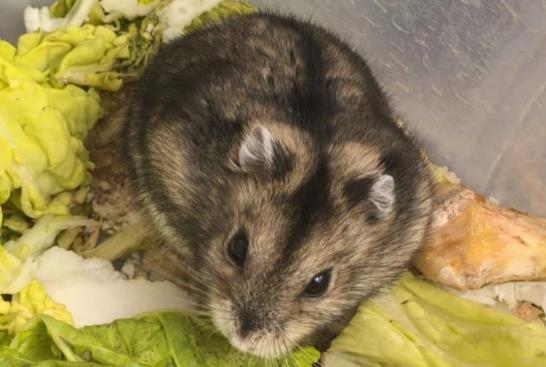
1. Common Causes of Hamster Diarrhea
Dietary Issues
Excessive Fresh Fruits/Vegetables: Hamsters have delicate digestive systems. Overfeeding high-moisture produce (such as watermelon, cucumbers, or lettuce) or suddenly changing their food type can trigger diarrhea.
Spoiled Food: Moldy feed, contaminated bedding (e.g., soiled with feces), or unclean drinking water may cause bacterial infections.
High-Sugar/High-Fat Foods: Frequent feeding of human snacks (e.g., chocolate, candy) or oily seeds (e.g., sunflower seeds) can disrupt the balance of intestinal flora.
Environmental Factors
Sudden Temperature Changes: Lack of warmth in winter or direct exposure to air conditioning in summer can cause hamsters to catch cold, leading to digestive disorders.
Poor Hygiene: Infrequent cage cleaning leads to feces buildup, which fosters bacteria (e.g., E. coli, Salmonella) and causes infectious diarrhea.
Stress Responses: Frequent cage changes, noise disturbances, or fright from other pets can affect digestive function through neuroendocrine pathways.
Disease Infections
Wet Tail Disease (Proliferative Ileitis): Caused by Lawsonia intracellularis, it is common in young hamsters or those under stress. Symptoms include severe diarrhea (grayish-white, foul-smelling feces), soiled anus, dehydration, and lethargy.
Parasitic Infections: Parasites like coccidia or nematodes can spread via contaminated food or bedding, leading to chronic diarrhea.
Bacterial Infections: Infections (e.g., Clostridium) may cause acute diarrhea accompanied by abdominal pain.
Antibiotic Side Effects
If a hamster takes antibiotics (e.g., amoxicillin) for other illnesses, it may disrupt beneficial intestinal bacteria, resulting in dysbiosis-related diarrhea.
2. Typical Symptoms of Hamster Diarrhea
Abnormal Feces
Soft Stools: Feces lose their shape but are not fully watery, and may stick to the area around the anus.
Watery Stools: Feces are liquid, possibly yellow, green, or grayish-white, and have a strong odor.
Blood or Mucus in Stools: Indicates intestinal inflammation or parasitic infection.
Behavioral Changes
Reduced Activity: Hamsters may huddle in corners and refuse food or water.
Swollen/Irritated Anus: Frequent diarrhea can cause inflammation of the skin around the anus.
Weight Loss: Dehydration occurs easily in the short term, and long-term diarrhea leads to malnutrition.
3. Emergency Response Measures
Isolation & Cleaning
Move the sick hamster to a clean cage to avoid cross-infection.
Thoroughly clean the original cage: soak bedding, food bowls, and water bottles in a pet-specific disinfectant (e.g., F10SC), then dry before reuse.
Diet Adjustment
Pause Fresh Produce: Immediately stop feeding high-moisture foods; switch to sugar-free hamster food (e.g., high-fiber grain mixes).
Hydration Support: Use a cotton swab dipped in diluted glucose water (1:10 ratio) to gently touch the hamster’s mouth, encouraging it to lick and preventing dehydration.
Probiotic Assistance: Add pet-specific probiotics (e.g., lactobacillus, bifidobacterium) to the drinking water to help restore intestinal flora balance.
Observation & Veterinary Care
Mild Diarrhea: If the hamster is still alert and has no blood/mucus in its feces, observe it for 12-24 hours while continuing hydration and probiotic support.
Severe Symptoms: If watery stools, loss of appetite, dehydration (poor skin elasticity, sunken eyes), or soiled anus occur, contact an exotic pet veterinarian immediately. Antibiotics (e.g., metronidazole) or antidiarrheals (e.g., montmorillonite powder) may be required.
4. How to Prevent Hamster Diarrhea
Scientific Feeding
Staple Food First: Use hamster-specific food as the main diet, supplemented with small amounts of dried fruits/vegetables (e.g., dried apples, dried carrots).
Avoid Human Food: Never feed toxic foods like chocolate, onions, or garlic.
Regular & Controlled Portions: Feed 1-2 times a day, with portions that the hamster can finish within 1 hour.
Maintain Environmental Hygiene
Regular Cleaning: Replace bedding 2-3 times a week; clean food bowls and water bottles to prevent fecal contamination.
Temperature Control: Keep the cage temperature at 20-25°C (68-77°F); avoid direct cold drafts or high-temperature environments.
Reduce Stress: Avoid frequent cage changes, loud noises, or sudden frights.
Disease Prevention
Quarantine New Hamsters: Keep newly acquired hamsters in separate enclosures for 2 weeks; only introduce them to others after confirming no health issues.
Regular Deworming: Use pet-specific dewormers (e.g., selamectin) every 3-6 months to prevent parasitic infections.
Boost Immunity: Add small amounts of vitamin E and selenium to the feed to help hamsters resist diseases.