
Although hamsters are relatively hardy as small pets, they can indeed die from severe fright under extreme or prolonged stress. This phenomenon is mainly related to their physiological characteristics, stress response mechanisms, and individual differences. Below is a detailed analysis:
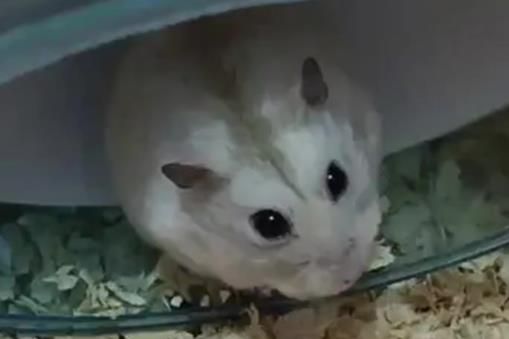
1. Physiological Mechanisms of Hamster Death from Fright
Excessive Stress Response
Hamsters’ nervous systems are extremely sensitive to environmental changes. When exposed to sudden loud noises (such as firecrackers, thunder), intense light, violent shaking, or threats from predators (such as cats, dogs), they trigger the "fight-or-flight" response. If the stressor persists or is too intense, hamsters may enter a "freezing state"—characterized by stiffness, rapid breathing, and accelerated heart rate. Long-term or extreme stress leads to excessive adrenaline secretion, causing excessive heart strain, sudden blood pressure spikes, and even cardiac arrest.
Immune System Collapse
Stress suppresses immune system function, making hamsters more susceptible to bacterial or viral infections. For example, latent Streptococcus pneumoniae may multiply rapidly due to weakened immunity, leading to pneumonia; or it may trigger wet tail disease (a life-threatening diarrheal condition), ultimately resulting in death from dehydration or organ failure.
Individual Differences & Genetic Factors
Age: Young and elderly hamsters have lower stress tolerance. Young hamsters may be more easily frightened due to underdeveloped nervous systems, while elderly hamsters may struggle to cope with stress due to declining organ function.
Breed: Dwarf hamsters (e.g., Roborovski hamsters) are more timid than Syrian hamsters (e.g., golden hamsters) and are more likely to have severe reactions to fright.
Personality: Some hamsters are naturally neurotic and more sensitive to environmental changes, while docile individuals may adapt better to mild stress.
2. Common Frightening Scenarios That May Kill Hamsters
Sudden Loud Noises
Firecrackers, thunder, high-volume music, or the sound of falling objects can directly cause hamsters to have convulsions or cardiac arrest.
Case: Some owners reported that their hamsters stiffened instantly after hearing firecrackers and then died; an autopsy revealed bleeding spots on the heart.
Predator Threats
The smell or sound of natural predators like cats and dogs triggers extreme fear in hamsters. Even without direct contact, prolonged stress can lead to death.
Case: If a hamster and a cat are kept in the same room (even in separate cages), the hamster may refuse to eat due to constant fear, eventually dying of starvation or illness from weakened immunity.
Improper Handling or Rough Treatment
Forceful pinching, sudden hand movements into the cage, or frequent disturbances (e.g., frequent bedding changes) can cause hamsters to panic and struggle, leading to internal organ damage or fractures.
Case: An owner used tweezers to pick up a hamster and applied too much force, causing a spinal fracture; the hamster died the same day.
Sudden Environmental Changes
Abruptly moving the cage, sudden temperature changes (e.g., direct air conditioning airflow), or disrupted light cycles (e.g., turning on lights at night) can disrupt the hamster’s biological clock, leading to stress-related death.
Case: A hamster cage was moved from indoors to a balcony in winter; low nighttime temperatures caused hypothermia, and the hamster died the next day.
3. How to Prevent Hamsters from Dying of Fright
Provide a Safe, Hidden Environment
Place hiding spots like tunnels or wooden huts in the cage to give the hamster a sense of security.
Avoid placing the cage in noisy or high-traffic areas (e.g., kitchens, near the living room TV).
Minimize Human Disturbance
Move gently when feeding or changing water; avoid sudden hand movements into the cage.
Refrain from frequent changes to the cage setup. If adjustments are needed, do them in stages.
Control Stressors
Close windows during thunderstorms to reduce noise.
Keep pets like cats and dogs away from the hamster cage—even supervised cage-side observation requires maintaining a distance.
Monitor for Abnormal Behaviors
If a hamster shows signs like puffed-up fur, trembling, loss of appetite, or excessive self-grooming, these may be stress signals. Isolate the hamster immediately and reduce stimulation.
Prolonged stress can weaken immunity; regularly check the hamster’s weight, fur condition, and feces.
4. Emergency Response Measures
If a hamster shows symptoms like stiffness or rapid breathing due to fright, try the following:
Keep the environment quiet: Move the cage to a dark, quiet area to reduce external stimulation.
Provide warmth: Wrap a hot water bottle (around 30°C/86°F) in a towel and place it outside the cage—avoid direct contact with the hamster.
Supplement energy: Use a cotton swab dipped in a small amount of honey or glucose water to gently touch the hamster’s mouth, encouraging it to lick (only for hamsters capable of swallowing on their own).
Seek medical help promptly: If symptoms persist or worsen, contact an exotic pet veterinarian immediately—do not administer medication without professional guidance.