
Under certain circumstances, mother hamsters may eat their own pups. This behavior is usually related to survival instincts, environmental stress, or the health status of the pups. Below is a detailed analysis of the specific causes, signs, and prevention measures:
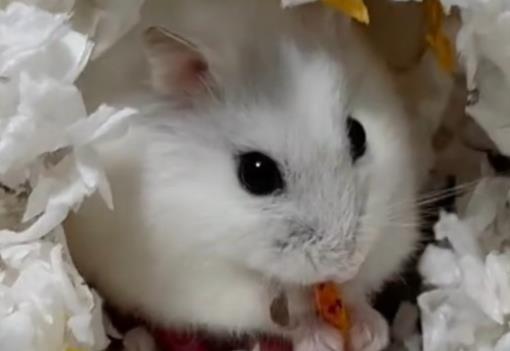
1. Common Reasons Why Mother Hamsters Eat Their Pups
Driven by Survival Instincts
Nutritional Deficiency: If a mother hamster lacks nutrition (e.g., insufficient protein or fat intake) after giving birth, she may eat her pups to replenish energy—especially when the feed quality is poor or the feeding amount is inadequate.
Harsh Environment: When the cage is too small, the temperature is too low, or the hygiene conditions are poor, the mother hamster may deem the pups unlikely to survive. She may then "eliminate" the weaker ones to conserve resources.
Pup Health Issues
Congenital Defects: If pups are born weak, deformed, or unable to nurse on their own, the mother hamster may eat them to reduce the subsequent burden of care.
Deceased Pups: Mother hamsters will clean up the bodies of deceased pups to avoid attracting predators or fostering bacterial growth. This behavior may be mistaken for "eating live pups."
Human Disturbance
Frequent Observation: If the owner often opens the cage to check the pups or touches them directly with hands, the mother hamster may reject caring for the pups (due to changed scents—human odor) or even attack them as a stress response.
Environmental Changes: Sudden post-birth changes, such as moving the cage, replacing bedding, or cleaning the cage, can destroy the mother hamster’s sense of security, leading her to abandon or eat the pups.
Lack of Maternal Instinct
First-time Birth: Young or inexperienced mother hamsters may attack their pups due to nervousness or confusion.
Hormonal Imbalances: Certain diseases or endocrine issues can cause abnormal maternal behavior in mother hamsters.
2. Typical Signs That a Mother Hamster May Eat Her Pups
Abnormal Behaviors
The mother hamster refuses to enter the nesting area or stays away from the pups for long periods.
Pups have bite marks, missing body parts (e.g., heads, limbs), or pup remains are found in the nesting area.
Timing
This behavior usually occurs within 1-3 days after birth, when the mother hamster’s hormone levels fluctuate significantly and the pups are at their most vulnerable.
3. How to Prevent Mother Hamsters from Eating Their Pups
Provide Sufficient Nutrition
High-Protein Feed: After birth, increase protein sources such as mealworms, cooked chicken breast, and unsweetened yogurt.
Vitamin Supplementation: Add a small amount of pet-specific vitamins (e.g., vitamin E) to the drinking water to aid the mother hamster’s recovery.
Avoid Monotonous Diet: Mix various grains, seeds, and fresh vegetables (e.g., carrots, broccoli) to ensure balanced nutrition.
Create a Safe Environment
Hidden Nesting Area: Use a wooden hut, tunnel, or cardboard box as a nesting space, and line it with soft bedding (e.g., dust-free wood shavings, paper towels).
Reduce Disturbance: Place the cage in a quiet, dark area to avoid frequent cage opening or onlookers. Check the pups only through an observation hole within the first week after birth.
Temperature Control: Maintain the cage temperature at 20-25°C (68-77°F), and avoid direct cold drafts or overheating.
Avoid Human Contact with Pups
No Direct Touching: Do not touch the pups with your hands for at least 2 weeks after birth. If movement is necessary, use clean tweezers or a spoon for assistance.
Cleaning Notes: When replacing bedding, keep a portion of the old bedding (which retains the mother hamster’s scent) to reduce the risk of pup abandonment.
Monitor the Mother Hamster’s Behavior
Record Nursing Frequency: A healthy mother hamster will return to the nest to nurse the pups multiple times a day. Be alert if she does not nurse for more than 6 hours.
Check Pup Status: Pups should be pink in color with full bellies (indicating they have nursed). If they appear shriveled or gray, human intervention is needed.
4. How to Respond If a Mother Hamster Has Already Eaten Her Pups
Immediate Isolation
Move the mother hamster to a separate cage to prevent her from continuing to attack the remaining pups (if any).
If some pups have been partially eaten, thoroughly clean the nesting area to prevent bacterial growth.
Evaluate Remaining Pups
Healthy Pups: If the remaining pups are unharmed and the mother hamster shows no aggressive tendencies, you can try placing them back in the nest—but monitor closely.
Weak Pups: Weak pups require hand-feeding (e.g., using pet-specific goat milk, fed every 2 hours), but their survival rate is relatively low.
Subsequent Breeding Recommendations
If a mother hamster exhibits pup-eating behavior multiple times, it is recommended to discontinue her breeding plan to avoid harm to future litters.