
The optimal temperature range for hamsters is 20-28°C (68-82°F), with 23°C (73.4°F) being the ideal temperature. This range keeps hamsters active and prevents health issues caused by temperature discomfort. Below is a detailed explanation of this range and tips for handling extreme temperatures:
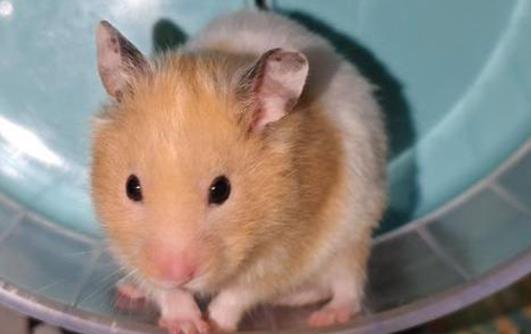
Temperature Range Explanation
Optimal range: 20-28°C (68-82°F) is the most suitable living temperature for hamsters. Within this range, hamsters maintain normal physiological functions and activity levels without discomfort from extreme heat or cold.
Ideal temperature: 23°C (73.4°F) is the perfect temperature for hamsters. At this temperature, their activity, appetite, and sleep quality reach peak levels.
Temperature fluctuation control: Hamsters are highly sensitive to temperature changes. Daily fluctuations should not exceed 10°C (18°F), as larger shifts may lead to health problems or reduced activity.
Tips for Handling Low Temperatures
Low temperature threshold: When temperatures drop below 20°C (68°F), hamsters start to feel cold, possibly showing symptoms like shivering, lethargy, and decreased appetite.
Warmth measures:
Replace bedding: Switch to warm bedding such as wooden huts or paper-based bedding. Avoid cotton balls or wood wool to prevent ingestion or tangling around paws.
Use heating equipment: When temperatures fall below 16°C (60.8°F), use heating pads, lightless heat lamps, or hand warmers to keep the cage warm. Prioritize safety to avoid burns.
Monitor hamster condition: Regularly check their behavior and physical state. If a hamster enters torpor (stiff body, weak breathing), immediately warm them up and contact a veterinarian.
Tips for Handling High Temperatures
High temperature threshold: When temperatures exceed 28°C (82°F), hamsters start to feel overheated, possibly showing symptoms like loss of appetite, listlessness, drowsiness, dull eyes, and rapid breathing.
Cooling measures:
Ventilate: Place the cage in a well-ventilated area away from direct sunlight.
Replace bedding: Use absorbent cat litter as bedding to lower the cage temperature.
Use air conditioning: If possible, keep the room temperature steady around 25°C (77°F) with air conditioning. Avoid direct cold air blowing on the cage.
Increase humidity: Place bowls of water around the cage or spray a small amount of water nearby to raise humidity and prevent heatstroke from dry air.