
Choosing a hamster as a first-time pet? We’ve curated this list based on three core criteria—gentle temperament, environmental adaptability, and overall ease of care—to help you pick the perfect furry companion:
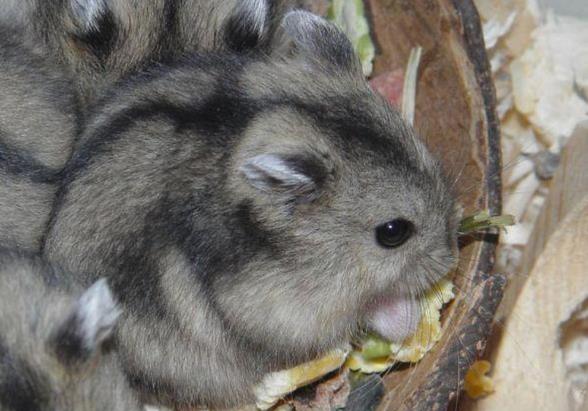
1. Campbell’s Dwarf Hamster (Wild-Type, Three-Stripe Morph)
Traits: Distinguished by three clear dark stripes along its back, this compact hamster reaches 8–11 cm in length and is extremely budget-friendly, costing just a few to a dozen dollars.
Key Advantages:
Mild-mannered disposition: A selectively bred domestic variety with low wild instincts, it rarely acts aggressively toward humans—ideal for new owners building their first trust bond with a small pet.
Strong adaptability: Tolerates environmental changes well, adjusting quickly to new cages or new caregivers without prolonged stress.
Rewarding interactivity: Once familiar with your scent, it will comfortably eat or even nap in your palm, offering direct, heartwarming engagement.
Care Tips: Opt for a younger hamster to foster a closer bond; a basic setup (cage ≥47 cm long, exercise wheel, bedding, and commercial hamster food) is all it needs to thrive.
2. Purple Campbell’s Dwarf Hamster (Mutant Three-Stripe Strain)
Traits: Features pale gray fur with a subtle lavender sheen and matches the size of its three-stripe counterpart.
Key Advantages:
Lazy, gentle demeanor: Has moderate activity levels and produces minimal nighttime noise, making it perfect for owners with regular sleep schedules or those sensitive to commotion.
Robust health: As a purpose-bred variety, it boasts better disease resistance than wild-type Campbell’s hamsters, lowering overall care difficulty.
Unique aesthetics: Its lavender-tinged coat glows with a dreamy iridescence in sunlight, delivering high visual appeal for casual observation.
Care Tips: Provide cooling measures in summer to prevent heatstroke; use a silent exercise wheel to minimize nighttime racket.
3. Pudding Dwarf Hamster
Traits: Sports creamy yellow fur (resembling vanilla pudding), a round, plump build, and bright, glossy black eyes that add to its endearing look.
Key Advantages:
Silly, affectionate personality: Most individuals are docile and eager to interact with their owners, making them a great fit for kids or first-time pet parents.
Low care barrier: It has undemanding food and environment needs, thriving on a staple diet of commercial hamster mix plus small servings of grains.
Affordable availability: Widely found in pet markets at a price point similar to wild-type Campbell’s hamsters.
Important Notes: Some hamsters may have weaker constitutions due to genetic factors, so avoid inbreeding; closely monitor food portions to prevent obesity-related health issues.
4. Milk Tea Dwarf Hamster
Traits: Boasts light brown fur (evoking pearl milk tea), a tiny frame, and a slow, laid-back reaction to external stimuli.
Key Advantages:
Ultra-relaxed temperament: With low activity levels, it doesn’t require frequent interaction—ideal for busy office workers or students with limited daily time for pet care.
Non-fussy eating habits: It’s not picky about food and can thrive on standard commercial hamster food without specialized supplements.
Quiet nighttime behavior: Its subdued nocturnal activity won’t disrupt your sleep, even if the cage is in a nearby room.
Care Tips: A basic cage and exercise wheel are sufficient; no extra enrichment tools are necessary for this low-maintenance pet.
5. Silver Fox Dwarf Hamster
Traits: Flaunts silvery-white fur with a bold black dorsal stripe and is slightly larger (10–12 cm long) than other dwarf hamster breeds.
Key Advantages:
Stunning appearance: Its soft, dense coat gives it the look of a miniature fox, making it a fan favorite for aesthetic-focused owners.
High interactivity & intelligence: It’s smart enough to learn simple tricks (like spinning in circles or fetching small coins), offering deeper engagement for dedicated caregivers.
Gentle once bonded: After familiarizing itself with you, it will actively seek out your attention, perfect for owners craving frequent, affectionate interactions.
Important Notes: It has a relatively weaker constitution, so prioritize warm bedding in cold weather, maintain a balanced diet, and avoid frequent cage relocations to reduce stress.
General Selection Recommendations
Best for absolute beginners: Wild-type three-stripe Campbell’s or purple Campbell’s hamsters—they’re gentle, adaptable, and low-cost, with minimal care learning curves.
For aesthetics + interactive fun: Silver fox dwarf hamsters, ideal for owners who value cute looks and are willing to invest time in training and bonding.
For low-effort, laid-back care: Milk tea dwarf hamsters, perfect for busy people or those seeking a pet with minimal maintenance demands.
For families with kids: Pudding dwarf hamsters—their mild temperament and clear interactive feedback make them great for teaching children responsibility.