
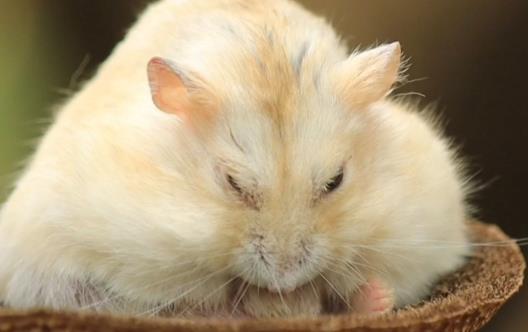
Hamsters usually sleep during the day. They are typical nocturnal animals and follow a "nocturnal-active, diurnal-sleeping" routine. Below is a detailed analysis:
I. Hamsters' Circadian Rhythm: A Schedule Opposite to Humans
Natural Habits
Wild hamsters (such as Syrian hamsters and Campbell's dwarf hamsters) originate from arid or semi-arid regions (e.g., grasslands, deserts). These areas have high temperatures and intense sunlight during the day, while nights are cooler and safer. To avoid natural predators (such as owls and snakes) and extreme weather, hamsters have evolved the habit of being active at night.
Pet hamsters kept at home retain this instinct. Even in artificial environments, they still follow the rule of "sleeping during the day and being active at night."
Peak Activity Periods
Hamsters are typically active from dusk to dawn (approximately 6:00 PM–6:00 AM), with two peak activity windows: 8:00 PM–12:00 AM and 2:00 AM–4:00 AM.
During these periods, they will eat, play, groom themselves, and use toys like exercise wheels or tunnels.
II. Daytime Sleeping Behavior: Quietness and Seclusion
Sleep State
During the day, hamsters mostly curl up in their nests (e.g., piles of wood shavings, cotton nests, or tunnels). Their bodies form a ball shape, their breathing is steady, and they are not sensitive to slight noises.
Sleep depth varies by individual: some hamsters may be in light sleep (easily awakened), while others enter deep sleep (requiring strong stimulation to rouse).
Preferred Sleep Environment
Seclusion: Hamsters prefer to sleep in dark, enclosed spaces to feel safe. If there are no hiding spots (such as cardboard boxes or ceramic nests) in the cage, they may experience poor sleep quality due to anxiety.
Temperature and Humidity: The ideal temperature for sleep is 20–28°C, and the ideal humidity is 40%–70%. Excessively high or low temperature/humidity can disrupt sleep, causing hamsters to wake up frequently or hide in more secluded areas.
III. Factors Affecting Hamsters' Daytime Sleep
Light
Hamsters are sensitive to light. Bright light inhibits the secretion of melatonin (a hormone that regulates sleep), making it difficult for them to fall asleep or stay in deep sleep.
Recommendation: Keep the cage away from direct sunlight. At night, a small nightlight (red or yellow light, which has less impact on hamsters) can be used for easy observation.
Noise
Sudden noises (such as door slams or loud TV volume) can wake hamsters. Long-term noise disturbance may cause them to wake up frequently during the day and reduce their active time at night.
Recommendation: Place the cage in a quiet corner, away from electrical appliances or high-activity areas.
Health Status
Illness (such as colds or diarrhea) or pain (such as overgrown teeth or joint issues) can cause restless sleep in hamsters, characterized by frequent tossing and turning or trembling while curled up.
Recommendation: If a hamster’s daytime sleep duration is abnormally short (e.g., less than 12 hours) or accompanied by loss of appetite and weight loss, seek veterinary care promptly.
Age and Gender
Juvenile Hamsters: They have a faster metabolism and may sleep slightly less than adult hamsters, but they still mainly rest during the day.
Elderly Hamsters: Their physical strength declines, so they may sleep longer during the day but have reduced activity at night.
Female Hamsters in Estrus: Some female hamsters may have reduced nighttime activity and increased daytime sleep during estrus (about once every 4 days) due to hormonal fluctuations.
IV. How to Sync with a Hamster's Schedule?
Choosing Interaction Times
Avoid forcing hamsters to wake up for play during the day, as this may cause them stress (e.g., biting or refusing food).
Best Interaction Times: Evening (6:00 PM–8:00 PM) or early morning (6:00 AM–8:00 AM), when hamsters have just woken up or are preparing to sleep and are in a more relaxed state.
Scheduling Feeding and Cleaning
Feeding: Place the main food (such as specialized hamster food) in a fixed location, and hamsters will eat it on their own at night. Fresh fruits and vegetables (such as apples and carrots) can be given in the evening to prevent spoilage during the day.
Cleaning: Tasks like changing bedding and cleaning the cage are recommended during the day, when hamsters are in deeper sleep and less likely to be disturbed.
Environmental Adjustments
If you need to observe hamsters’ nighttime activities, use an infrared camera (no light interference) or a low-brightness nightlight to avoid waking them up by turning on bright lights directly.
During hot summer days, a thin towel can be used to cover the cage for cooling during the day, but ensure good ventilation to prevent stuffiness.
V. Special Cases: Reasons for Hamsters Being Active During the Day
Environmental Disturbance
If there is constant noise (such as construction work or pet barking) or frequent light changes (such as frequent light switching) near the cage, hamsters may be forced to adjust their schedule and become active during the day to find a safe environment.
Food Shortage
If the food provided at night is insufficient, hamsters may wake up briefly during the day to forage. However, this situation is rare (hamsters have the habit of storing food and will hoard food in advance).
Individual Differences
Approximately 5%–10% of hamsters may exhibit "crepuscular" (active at dawn and dusk) or "diurnal" (active during the day) schedules due to genetics or early experiences (such as artificial breeding or maternal influence). However, these individuals still require adequate rest at night.