
I. Best Hamster Breeds for Beginners
1. Djungarian Hamsters (Three-Lined Hamsters)
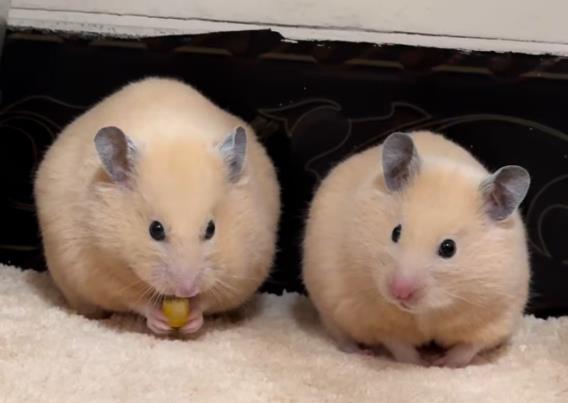
Gentle temperament, easy to handle and interact with
Common coat colors: Gray with three dorsal stripes (original color), Silver Fox (white with gray stripes), Pudding (light yellow)
High adaptability, low difficulty in care
2. Pudding Hamsters
A variant of Djungarian hamsters with creamy yellow fur
Quiet personality, ideal for owners who prefer observational care
3. Purple Warehouse/Milk Tea Hamsters
Fur in light purple or milk tea color
The gentlest temperament, low excretion volume, and easy cage maintenance
II. Hamster Breeds Not Recommended for Beginners
1. Syrian Hamsters (Golden Hamsters)
Larger size (up to twice the size of Djungarian hamsters)
Strong bite force; bites may cause bleeding
Require more space and food
2. Roborovski Hamsters
Smallest size (only 5-10cm in length)
Extremely timid, prone to stress
Poor interactivity
III. Key Points for Selecting a Healthy Hamster
Eyes: Bright with no discharge or redness
Fur: Fluffy and shiny, no bald spots or dandruff
Behavior: Agile movement, no limping or huddling motionless
Age: It is recommended to choose 2-3 month old juveniles (adult hamsters may have formed fixed personalities)
IV. Basic Care Preparations
1. Cage
Minimum size: Length ≥ 60cm (for dwarf hamsters)
Essential equipment: Exercise wheel (diameter ≥ 20cm), hideout, food bowl, and water bottle
2. Bedding
Thickness: 5-10cm (hamsters love burrowing)
Recommendations: Aspen shavings/paper bedding (avoid pine/cedar, which may cause respiratory problems)
3. Diet
Main food: Choose professional hamster food (avoid mixed bird food/rodent food)
Supplementary food: Fresh vegetables (such as carrots, broccoli) 1-2 times a week
Taboos: Chocolate, onions, citrus fruits
V. Daily Precautions
Temperature: Maintain 18-26℃, avoid direct air conditioning draft
Cleaning: Replace 1/3 of the bedding weekly and thoroughly disinfect the cage monthly
Interaction: Let the hamster get familiar with your scent before handling, and move gently
Special Reminder: Hamsters are solitary animals; housing multiple hamsters together may lead to fatal fights! Juvenile hamsters are recommended to be separated into individual cages after 4 weeks of age.